

- Emma Parker
- January 10, 2026
If you run a business locally, you need to attract customers who live nearby. It increases the chances of increasing traffic in your local store. But how would you target customers in the area?
That’s where Local SEO comes in. It helps your business appear in the search results whenever someone from a particular area that you target searches for services related to your business.
For example, if you provide plumbing services on Oxford Street in London, you may be found for “plumbing services near me” if someone from that specific area runs a basic query on Google.
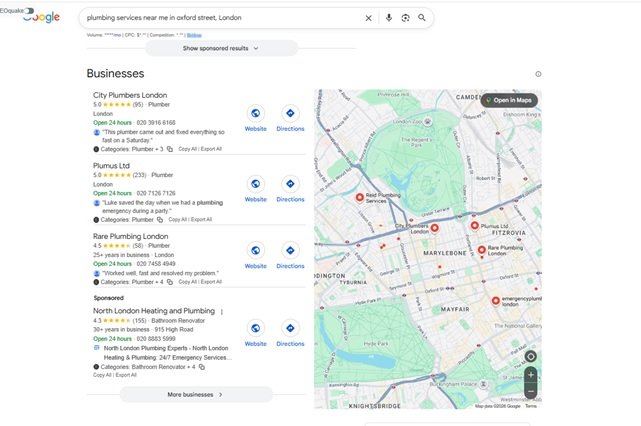
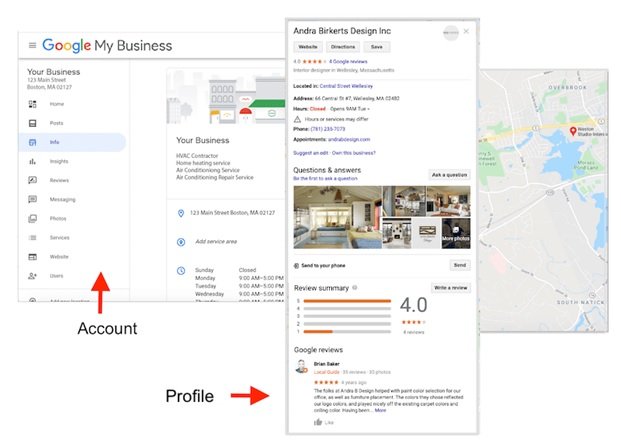
You can see the results here. These are mainly Google Business page listings that one creates to rank locally. If you need help, you can hire freelancers from platforms like Upwork or Google My Business SEO consultants.
It may cost you £6000/month or more. If low on funds, check Start Up Small Business Loans in the UK online. It may help you hire the best person and get a well-optimised professional business profile. A complete profile with just the right set of keyphrases and location-based phrases helps you get more calls.
Also, you may spot sponsored results as you Google; however, you can hide them if you need urgent services.
Getting found online is tricky amid the pool of service providers. You may be searching” How to rank in ‘Near Me’ searches for my business. The blog provides a detailed answer and steps that might help you achieve the goal.
What do you mean by Local SEO?
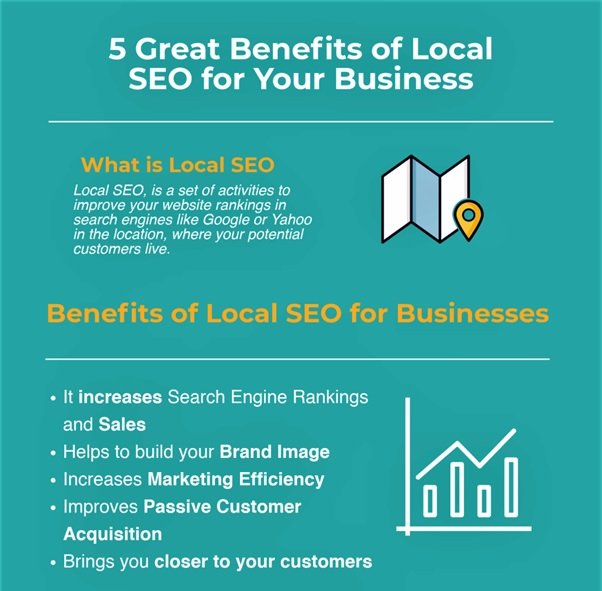
It is a process of optimising a business’s online presence to attract local or region-based customers. It means being found immediately if someone searches for specific services with “near me.”
It involves including relevant search phrases, keywords, and LSI to increase visibility in local online searches. Common practices include creating a Google My Business Page, getting listed on popular directories and getting genuine reviews from customers.
It enhances the “EEAT” factor that’s critical to get featured in one of the top searches on Google and AI. Local SEO mandates a business to have a valid business address or physical address. Here is how to create a Google My Business profile.
Why Does Local SEO matter for Startups Right now?
Local SEO helps you get found online for the respective services. Here are other reasons why you must invest in that now:
- Nearly 46% of total Google searches have local intent. It means most people search for services nearby to get help quickly.
- 72% of local mobile searches led to a store visit within 24 hours. It demonstrates that these are action-ready customers, not just the browsers.
- “Near me” searches have become more prevalent with the invention of voice and mobile searches.
The visibility correlates with more footfalls in the specific store. It helps one boost revenue, especially if operating in urban and high-traffic areas.
What are the Core Ranking factors for Local SEO?
Google’s local Search algorithm ranks content according to the 3 primary parameters:
- a) Relevance
It measures how well your business matches the information that a searcher wants. It is driven by clear and accurate descriptions of your services and product categories or pages.
- b) Proximity
How close is your business to the searcher? For “near me” queries, proximity is automatically factored in based on the user’s location.
- c) Prominence
Reputation and Authority signals-
- Reviews
- Backlinks
- Citations
- Web presence
All these signals determine how well-known your business is.
How to optimise your business for Local SEO step by step?
Here are the steps to optimise your business for Local SEO:
1) Step 1- Create and Optimise Google My Business profile
- Provide details as asked, like- business name, email address, contact number, categories, services, website, opening and closing hours.
- Add high-quality photos, videos of your products, premises and team
- Update your profile continuously with posts, offers, and any changes in the contact number, address or email address
- Include FAQs related to your field to boost relevance
- Demand feedback for your services from your customers and add them there.
2) Step 2- optimise for local search
For example, if you have a plumbing business, you need to think and explore phrases beyond “plumbing services near me”. Instead, you can include:
- Plumbing services in London
- Plumbing services in Oxford Street
- Best plumbing services in London
- Emergency plumber London
Try to search and include the phrases with the most traffic volume and the least competition. You can use paid tools or the Keyword Planner. You must include the keywords in:
- Google business profile description
- Services
- Testimonials
- Website content
3) Step 3- create location-specific webpages
- Create unique content for each location that you serve. Include the relevant phrases and optimise it for search.
- Prepare your website for mobile-first results
- Build a local business schema to signal to the search engines your services in the area
You can hire the best content writers who may help you create product and location-specific pages. Content is still the king, and hence, don’t compromise on quality.
You may also finance one with the help of unsecured personal loans with bad credit scores. A personal loan may help you find and get the best content writer on board. It may help you get the best SEO and AI-optimised content. It eventually helps you get engagement and traffic.
4) Step 4- create citations and presence on online directories
Ensure your Google business profile presence across platforms like Yell, Apple Maps, Bing Places, TripAdvisor and TrustPilot. Make sure to have the same details across all platforms to avoid discrepancies.
5) Step 5 – Optimise queries for voice search
Voice is becoming increasingly dominant, with most people searching by speaking. Thus, optimise your listings for conversational queries like:
- “Where is the best café near me?”
- “Where is the best plumbing shop located?”
- “How do I contact the best appliance repair shop in Oxford Street?”
6) Step 6- Manage Reviews and Reputation
Online reviews may either make or break the business revenue. Therefore, it is important to update the latest reviews regarding every new offer or initiative you launch. It is important because:
- Reviews help one know whether users visit or call your business
- Respond quickly to any new reviews to boost your visibility in the search results
- Customers may skip dealing with businesses with a poor reputation online.
FAQs
You may be quite familiar with the Local SEO concept now. Let’s analyse some of the popular queries:
i. How would you explain Local SEO with an example?
For example, a Plumber in Greater Manchester wants more footfall and calls in his store. He set up a Google My Business page by:
- Searching and refining local keywords
- Updating service pages
- Adding high-quality images
Eventually, he experienced improved rankings for “near me” searches. Moreover, the calls and contact form submissions increased by 40% in just 90 days of creating the profile.
ii. How can I measure Local SEO success?
You can measure local SEO success by measuring the following KPI:
- Check click-to-call requests from the Google My Business Page
- Search impressions and local ranking positions
- Total number of website visits
- Store visits
- Reviews online
iii. What mistakes should you avoid in Local SEO?
Here are some mistakes that you must avoid during optimising pages for Local SEO:
- Incomplete or outdated listings
- Not optimising the pages for mobile rankings
- Including or stuffing keywords unnecessarily
- Inconsistent NAP (Name, Address, Phone number) across platforms.
Description: If you want to rank your business for “NearMe” searches in the UK, the blog may help. It discusses local SEO and how to optimise your business for that.

Emma Parker is a financial counsellor at LondonLoansBank and has been serving for over 5 years. She is a psychology graduate from the University of Glasgow. Since she has keen interest in the finance field, she pursued a diploma course in banking and finance that led her to opt for her current career. She assists people choose the best loan based on their current financial situation and credit score. As Emma understands how people react to money problems, she gives them a helping hand to solve their financial complications.
Recent Posts

May 28, 2026


March 20, 2026

March 18, 2026

February 23, 2026

February 18, 2026

January 22, 2026

January 12, 2026

January 10, 2026

December 23, 2025