
- Emma Parker
- March 18, 2026
Congratulations! You got approved for the much-anticipated home loan! Now, you will soon be a homeowner. The excitement often fades with the upcoming twist in your finances. You would need to re-adjust the budget to match the new responsibility.
You must create the space to manage another monthly payment. Moreover, taking loans like student loans, home loans, and car loans requires you to pay high monthly payments. So, how do you budget for a new loan payment? Let’s start from scratch.
What should you usually do after taking a loan?
After taking a loan, understand your liabilities. How much do you need to save monthly for the payments? Here are other things to do after getting a loan:
- Identify when the next payment is due?
- Check when you receive your salary?
- Is there a major gap between the salary day and the repayment date?
- Reschedule if you are uncomfortable with the payment structure
- Start setting up a direct debit for the respectable amount that you need to pay as a monthly instalment on the loan.
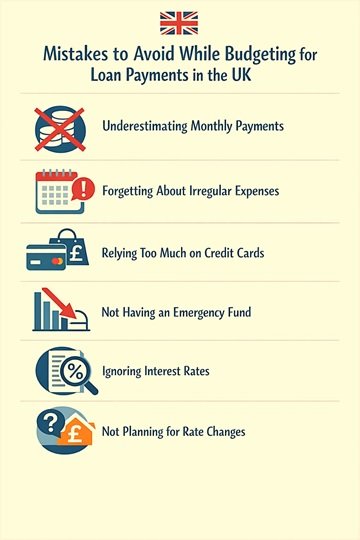
Why do you need to ensure a consistent income for a loan with bad credit?
Having a consistent and regular income is especially important if you have bad credit, because it is the major basis of loan approval in this case. If your income changes or you lose your job, your loan may enter default and may provoke legal actions from the creditor.
Thus, it is important to understand your income stability and plan your payments. It is especially important if you took or are exploring 12-month instalment loans for bad credit from a direct lender online. Identify the monthly payments that you must pay on the loan. Check whether you can carry the instalments without skipping any, given your current expenses and income.
If you have any minor confusion or doubt that you may struggle with payments, approach the loan provider. Reschedule payments or check the possibilities of early payments without penalties. It reduces the chances of defaulting on the loan.
How much of your income should go towards the loan?
Generally, your loan repayments should conclude 28% of your income and not more than that. Most experts like Unbiased advice to use the 28/36 pattern to manage the loan.
Here, one must spend 28% of the household income on housing costs like rent, groceries, utility payments, and other essentials, including the current loan payment. The total debt must not exceed 36% of your monthly income. It includes your basic expenses for essential living.
What steps should you follow to budget for a loan repayment?
A new loan addition may prove overwhelming. It is especially when you take one for a long time. Here are some steps that might help you budget for a loan repayment easily:
Step 1- Analyse your monthly outgoings
Collect bank statements, utility bills, and other bills that you pay monthly. It will help you know how much you pay monthly on such bills. You can also use tools like Money Helper Budget Planner to identify the important and non-essential expenses.
You can split your essential bills in a 50/20/30 format. Here, 50% contributes to needs like rent, monthly bills, and debt payments, 20% concludes savings, and 30% to wants like planning a holiday. Identify how you would adjust another payment in this. It may mean cutting down on wants for a while.
Step 2- Try to reduce unnecessary expenses
Identify how much you spend on things like-
- Dining out
- Purchasing a dress
- Movie
- Weekend holidays
- Partying
Analyse the costs and try to control such expenses until you are debt-free. If you cannot eliminate such expenses, try to reduce them. It will help you save money and use it towards the debt payments.
Step 3- Analyse the sources of earnings
How much do you earn in total from all of your earning sources? It may include income from
- Rent
- Dividends
- Part-time income
- REITS
- Self-employment
- Equity from businesses you have invested in
You usually need to provide the primary source of income on the loan to get approval. However, if you get a delay in getting the salary, then you must have a backup plan. It prevents you from missing any payments on the loan.
Step 4- make minimum payments on each debt
If you struggle to manage the new debt with the previous one, pay part of each debt. You can discuss the possibility of this with your loan provider. It may help you ease your anxieties related to missing the repayment. Here is a brief example of the same:
| Debt Type | Total Balance (£) | Min Payment (£) | Interest Rate (%) | Suggested Part Payment (£) | Notes |
|---|---|---|---|---|---|
| Credit Card | 3,000 | 90 | 22% | 180 | High interest → prioritised |
| Personal Loan | 5,000 | 150 | 9% | 150 | Maintain a minimum to avoid penalties |
| Overdraft | 1,200 | 50 | 39% (effective) | 120 | Very high cost → aggressive paydown |
| Store Card | 800 | 40 | 29% | 90 | Medium balance, high interest |
| Payday loan | 600 | 30 | 25% | 60 | Smaller balance → quicker clearance |
| Total | 10,600 | 600 |
Thus, you can see here that you just need to pay £600 monthly to cover all the debts. It is a possibility if you struggle to repay in full due to current debt. You can also increase the monthly repayment if you believe that you can afford it.
Step 4 – Set direct debits for every payment
After analysing and negotiating with creditors, set direct debits on each payment, including the new loan. It prevents you from missing any payment. Moreover, regular payments help you generate a positive credit history. It may reveal you as a responsible person from a financial overview.
Step 5- Plan for the unexpected
Most individuals often forget to save money for emergencies. How would you tackle a major fire that breaks out in the home? What if you need to attend to the car repair urgently? In this case, you must have some savings set aside, specifically towards the cost. Check your current income and financial engagements.
Identify the scope of saving some towards the emergency fund. If you do struggle to, you may check unsecured personal loans from a direct lender online. It may help you meet the requirements immediately without any detailed paperwork. You can carry out any sensitive financial needs quickly without just depending on savings. It does not even affect your current repayments.
Bottom line
The blog clearly states the importance of understanding your repayment and planning for it. Check your monthly outgoings and income. Calculate your savings by subtracting the expenses from the monthly income. It should be enough to tackle the loan payments and emergency expenses. If you struggle to manage payments due to other debts, negotiate with creditors. You can pay part-payments until you repay the loan. It reduces your liabilities for some time.

Emma Parker is a financial counsellor at LondonLoansBank and has been serving for over 5 years. She is a psychology graduate from the University of Glasgow. Since she has keen interest in the finance field, she pursued a diploma course in banking and finance that led her to opt for her current career. She assists people choose the best loan based on their current financial situation and credit score. As Emma understands how people react to money problems, she gives them a helping hand to solve their financial complications.
Recent Posts

May 28, 2026

March 20, 2026

March 18, 2026

February 23, 2026

February 18, 2026

January 22, 2026

January 12, 2026

January 10, 2026

December 23, 2025